Why Do Firestarters from Different Orders Burn Differently?
You tested a sample, liked the result and placed an order. A few months later, you reorder the same product—but something seems different.
Perhaps the firestarters take longer to catch. Perhaps their burning time is different. Or perhaps the products simply do not look quite like the previous shipment.
For a retailer or distributor, this is more than a minor inconvenience. Customers buying the same product under the same brand expect a reasonably consistent experience.
So what can cause differences between firestarter orders?
Start with the Material, Not Just the Product Name
“Wood wool firelighter” describes a product category. It does not tell you everything about the product.
Wood wool firelighters generally combine wood shavings with a combustible material such as wax. Different products may use different wood materials and wax formulations.
The type and condition of the materials, the amount of wax, and how the materials are distributed can all influence the finished product.
This is why two products that look similar in a catalogue may not behave in exactly the same way.
When comparing samples, ask for the material description and relevant specifications rather than relying on the product name alone.
Small Differences in Size and Weight Matter
Consider two retail packs that are both described as containing wood wool firelighters.
One contains approximately 24 pieces in a 300 g pack. Another contains approximately 32 pieces in a 400 g pack.
Both may be suitable retail products, but they are not identical offers. The weight, piece count and likely dimensions need to be considered when comparing them.
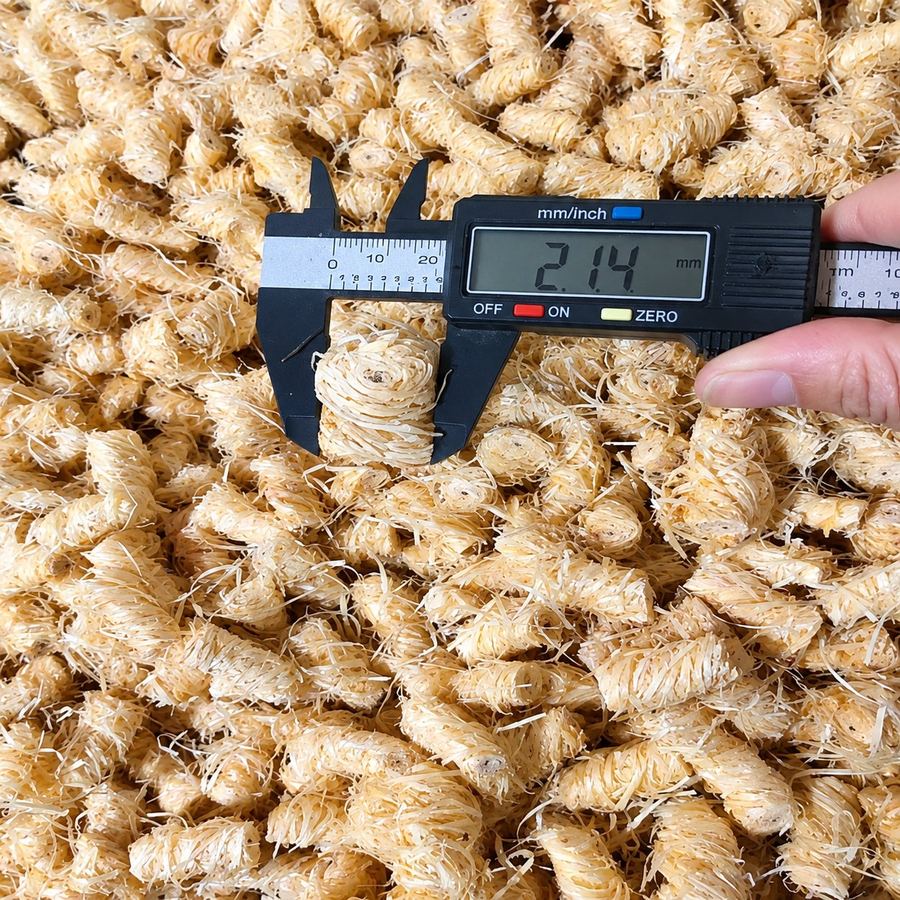
Even within the same product range, changes in individual piece size or material distribution may affect how a product performs.
For repeat orders, agree on measurable specifications wherever practical. Product weight, dimensions and pack quantity are much easier to compare than a general description such as “same as last time.”
Moisture and Storage Should Not Be Ignored
Wood-based products can be affected by their storage environment.
If firestarters are exposed to moisture during storage or transportation, their condition may change. Packaging damage can also expose products to unsuitable conditions.
This does not mean every difference in burning performance is caused by moisture. It is simply one factor worth investigating when a shipment does not match expectations.
Buyers should consider:
- Whether the packaging remained intact
- Whether cartons show signs of moisture exposure
- How the products were stored before shipment
- Whether warehouse conditions are suitable after arrival
A complaint is easier to investigate when the product condition and storage history are documented.
Was the Next Order Made to the Same Specification?
This is a question worth asking whenever a repeat order performs differently.
Sometimes a buyer requests a change without realizing that it affects the original product specification. In other cases, a supplier may offer an alternative material or packaging arrangement.
A change is not necessarily a problem. An undocumented change is.
Before approving a repeat order, compare the new order details with the previous approved specification:
| Item | What to Compare |
|---|---|
| Material | Wood type and wax or other combustible material |
| Dimensions | Individual product size |
| Weight | Weight per piece or retail pack |
| Quantity | Pieces per pack |
| Appearance | Shape, color and workmanship |
| Packaging | Material and protection |
| Performance | Agreed evaluation requirements |
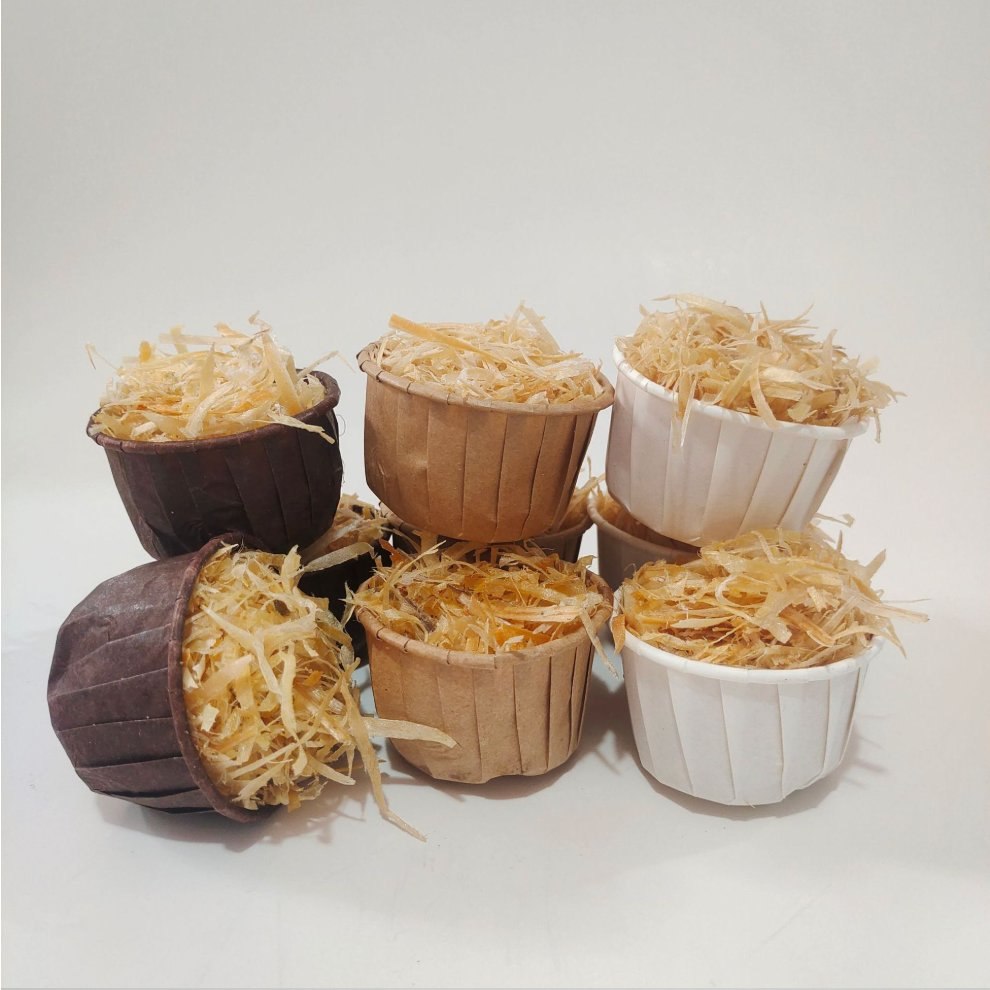
This gives both sides a more useful starting point than simply saying that the new order feels different.
A Sample Is a Reference, Not a Complete Quality Plan
Keeping an approved sample is a sensible practice, but it should be supported by written product specifications.
A sample shows what the buyer approved at a particular time. Specifications help clarify what should remain consistent in future orders.
Firestarter quality consistency depends on those written specifications, not on memory.
For private label buyers, this is especially important. If a product is sold under your own brand, differences between shipments can affect how customers perceive the brand.
Before the next order, confirm what has changed, if anything, and agree on how the product will be evaluated.
What to Do When a Shipment Performs Differently
If you notice a difference, avoid making assumptions before checking the details.
Keep samples from the affected shipment, take clear photographs, record the batch or order reference if available, and describe the difference as specifically as possible.
For example, “the product burns differently” is difficult to investigate. A description such as “the new batch takes longer to ignite under the same test conditions” gives the parties something more concrete to review.
If performance is important to the product specification, agree on a consistent evaluation method rather than relying only on subjective impressions.
Consistency Starts Before the Order Is Placed
The most useful time to discuss consistency is before production and shipment, not after a customer complaint.
At Wild Igniter, we help buyers clarify product specifications, communicate sourcing requirements and follow up on order details with relevant suppliers.
If you are planning repeat purchases of firestarters, we welcome the opportunity to discuss the specifications that matter to your market.
A repeat order should be based on an agreed reference—not just a familiar product name.